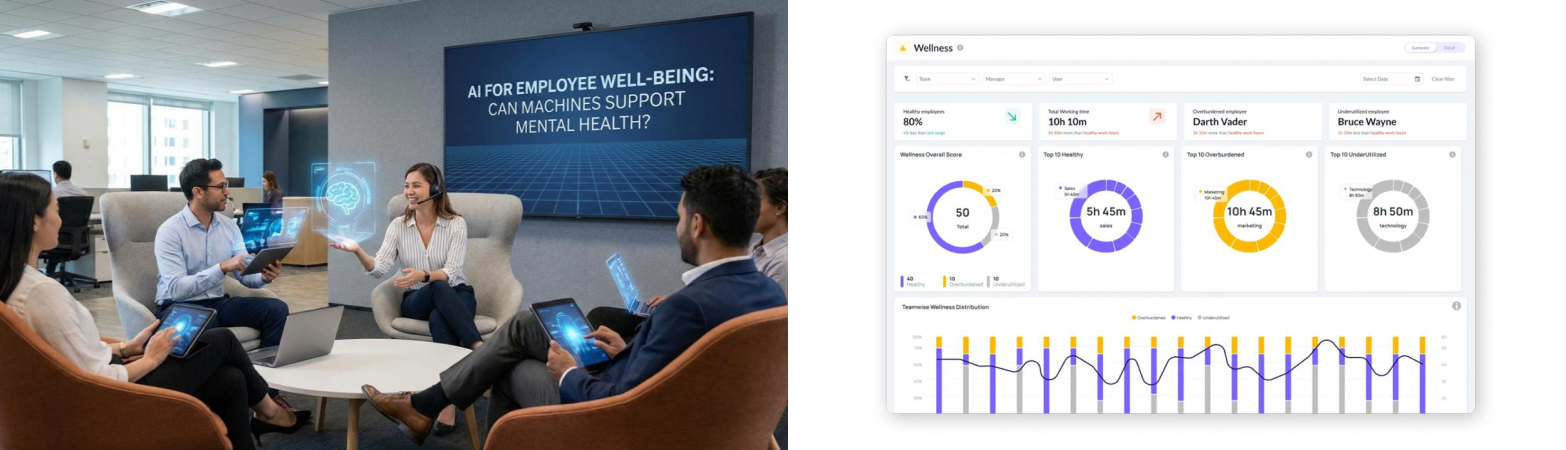
The Rise of Workplace Mental Health Apps in UAE Companies
Not long ago, talking about mental health at work felt uncomfortable for most people. That is changing fast across the UAE. Companies are waking up to the fact that how their employees feel on the inside has a direct effect on how well they perform, how long they stay, and how much they contribute. And as workplaces get busier and more demanding, many organisations are turning to mental health apps to give their people the support they need — without making it complicated.
Stress at Work Is a Real Problem
The modern workplace in the UAE moves quickly. Long hours, performance targets, constant messages, and the pressure to always be available — all of this takes a toll. Burnout and stress are no longer edge cases. They are something a growing number of professionals across the country deal with regularly.
Many employees feel that the mental health support their company offers is simply not enough. Traditional approaches, like occasional workshops or employee assistance hotlines, do not always feel accessible or relevant. People need something they can actually use — privately, quickly, and on their own terms. That is exactly what workplace mental health apps are designed to deliver.
What These Apps Actually Offer
Workplace wellness apps have come a long way from basic mindfulness reminders. Today's platforms offer a real range of support — guided meditation, breathing exercises, mood tracking, sleep management tools, stress reduction programmes, and even access to digital therapy sessions.
The key advantage is flexibility. An employee can use the app during a lunch break, late at night, or whenever they have a quiet moment. There is no need to book an appointment, sit in a waiting room, or explain themselves to anyone. That kind of low-barrier access makes a genuine difference, especially for people who might hesitate to ask for help in a more formal setting.
What Employees Actually Want From These Apps
Employees are not asking for anything complicated. They want an app that is easy to use, respects their privacy, and actually feels relevant to their lives.
Simple design matters — nobody wants to navigate a confusing interface when they are already stressed. Personalised recommendations matter too, because generic wellness content quickly feels hollow. And for a workforce as diverse as the UAE's, language support is essential. An app that works well in Arabic, English, Hindi, and other commonly spoken languages reaches far more people and makes everyone feel included.
Strong privacy protection sits at the top of almost every employee's list of priorities. If people do not trust that their data is safe, they simply will not use the app — no matter how good it is.
AI Is Making Workplace Wellness Smarter
Artificial intelligence is quietly transforming what these apps can do. Instead of offering the same content to everyone, AI-powered wellness platforms can pick up on individual patterns — stress indicators, sleep quality, engagement habits — and offer support that is actually tailored to each person.
Some apps now use AI chatbots that employees can turn to at any time of day. These assistants can point people toward the right resources, guide them through calming techniques, or simply offer a space to check in emotionally. At an organisational level, AI can also help companies spot broader wellbeing trends — without ever exposing individual employee data — so leadership can make informed decisions about workplace culture and support.
Privacy Has to Come First
Mental health information is among the most sensitive data that exists. Employees sharing their emotional struggles, stress levels, or therapy conversations through a workplace app need to feel completely safe doing so.
The best platforms take this seriously — end-to-end encryption, secure login, clear privacy policies, and a genuine commitment to keeping personal data confidential. But there is another side to this too. Employees should never feel like their wellness app is being used to monitor or evaluate them. The moment an app starts to feel like surveillance rather than support, trust breaks down completely.
Companies that are transparent about how the app works, what data is collected, and how it is protected will always see higher engagement than those that are vague about it.
A More Diverse Workforce Needs More Inclusive Tools
The UAE has one of the most multicultural workforces anywhere in the world. Colleagues from dozens of different countries, speaking different languages, coming from different cultural backgrounds, all working side by side. A one-size-fits-all wellness app does not serve this reality well.
The most effective workplace mental health platforms are built with this diversity in mind. They offer content in multiple languages, designed with cultural sensitivity, so that every employee — not just those comfortable in English — can access meaningful support. When someone can reflect on their emotional health in their own language, the conversation becomes much more natural and much more honest.
The Real Business Case
Some companies still think of employee mental health as a nice-to-have rather than a business priority. The evidence suggests otherwise.
Employees who feel mentally supported are more focused, more engaged, and less likely to leave. High stress and untreated burnout lead to higher absenteeism, lower performance, and greater staff turnover — all of which cost companies real money. Investing in digital wellness tools is increasingly being seen not as a welfare gesture but as a smart long-term business decision.
Several UAE organisations are already integrating mental health apps into their employee assistance programmes, recognising that digital tools and structured support work best when they go hand in hand.
What the Future Looks Like
The direction workplace mental wellness technology is heading is clear — more personalised, more proactive, and more deeply integrated into daily work life.
Rather than only offering support after someone reaches crisis point, the next generation of workplace wellness apps will help identify early warning signs and intervene gently before stress becomes something more serious. AI will play a bigger role in this, quietly monitoring patterns and nudging employees toward healthy habits before they even realise they need it.
As awareness around mental health in the UAE workplace keeps growing, these tools are likely to become as standard as health insurance or leave policies. They will simply be part of what it means to work for a company that takes its people seriously.
Conclusion
Workplace mental health apps are becoming an essential part of modern corporate wellbeing strategies in the UAE. From stress management and burnout prevention to multilingual support and AI-powered wellness tracking, these applications are helping companies create healthier and more supportive work environments. Organisations are increasingly recognising that employee wellbeing is closely connected to productivity, engagement, and long-term business growth.
As digital healthcare adoption continues to expand, companies such as smartData UAE are supporting businesses with secure and scalable healthcare technology solutions designed for modern workplace wellness needs.