How Technology Is Transforming the Retail Industry in 2025
The retail industry is undergoing major change in 2025, driven by advancements in automation, artificial intelligence, and data-driven tools. Today’s customers expect faster service, personalised experiences, and seamless shopping across all channels. As a result, retailers are turning to innovative technologies to improve efficiency, reduce costs, and deliver better customer experiences.
Below are some of the key ways technology is reshaping retail this year.
The Rise of AI-Powered Personalised Shopping
Artificial Intelligence has become central to personalised retail experiences. AI analyses browsing patterns, purchase history, and customer preferences to deliver tailored recommendations. This helps retailers show customers products that match their interests, improving both engagement and sales.
From personalised emails to dynamic product suggestions on websites, AI enables each shopper to feel understood and valued. This shift not only boosts satisfaction but also helps retailers manage inventory more effectively by predicting demand.
How Automation Is Reshaping Retail Operations
Automation is playing a crucial role in streamlining store operations. Automated inventory tracking, smart shelving systems, and self-checkout stations reduce manual work and help teams focus on customer service.
In warehouses, robotics and automated sorting tools are speeding up order processing and reducing delivery times. These technologies allow retailers to maintain accuracy, cut operational costs, and meet customer expectations faster than ever.
Smart Stores: Blending Physical and Digital Shopping
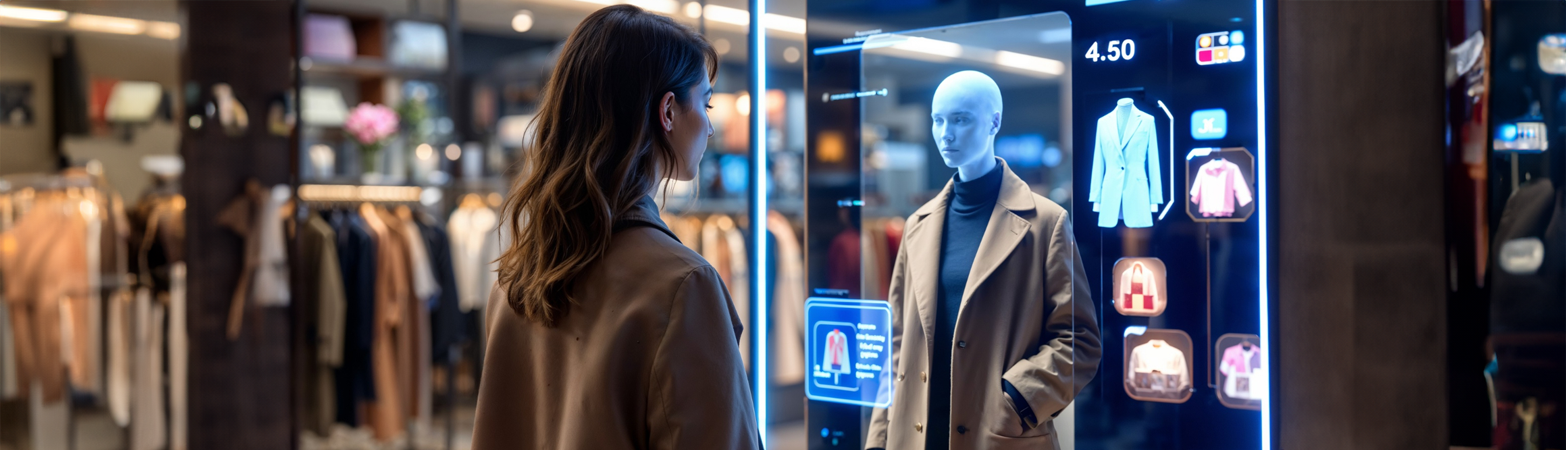
Smart stores are becoming more common in 2025, creating a smooth blend between in-store and online shopping. Technologies such as smart mirrors, digital shelves, and sensor-driven layouts help customers find products quickly and enjoy interactive experiences.
Retailers are also using behavioural data to optimise store layouts, ensuring shoppers can move through aisles conveniently. This approach enhances engagement, increases sales opportunities, and reduces friction during the shopping journey.
The Role of Data Analytics in Understanding Customer Behaviour
Data analytics helps retailers gain deeper insight into what customers want and how they shop. By collecting and analysing data from online platforms, loyalty programmes, and in-store sensors, retailers can create more targeted strategies.
This information allows businesses to adjust pricing, forecast demand, plan marketing campaigns, and manage inventory more accurately. Data-driven decision-making helps retailers stay competitive and respond quickly to market changes.
Faster Checkout Solutions with Contactless Technology
Contactless technology has transformed checkout experiences, making them faster and more convenient. Customers can now pay using mobile wallets, tap-and-go cards, or QR codes without waiting in long queues.
Many stores are also adopting automated checkout systems, where sensors and cameras detect selected items and charge customers directly. This technology reduces wait times and improves store efficiency, creating a more seamless shopping experience overall.
Why Omnichannel Retail Is Essential in 2025
Customers today expect a smooth and consistent shopping experience across online and offline channels. Omnichannel retail has now become a standard rather than an optional upgrade. In 2025, retailers are using connected systems to sync inventory, pricing, and customer data across websites, apps, and physical stores. This ensures that customers can browse online, check product availability, pick up in-store, or return items through any channel with ease.
Omnichannel strategies are not just improving convenience but also strengthening brand trust, as customers value retailers who provide flexibility and reliability across every touchpoint.
How AR and VR Are Enhancing the In-Store Experience
Augmented Reality (AR) and Virtual Reality (VR) are transforming how customers interact with products. In 2025, more retailers are adopting virtual try-ons, 3D product previews, and immersive store tours to help customers make confident decisions without touching a product.
Whether it is a customer trying out a piece of furniture in their living room or testing makeup shades virtually, AR and VR are removing uncertainty and improving the shopping journey. These tools also reduce return rates, making them valuable for both customers and retailers.
The Growing Impact of Mobile Commerce
Mobile commerce continues to expand rapidly as smartphones become the preferred platform for browsing and purchasing products. In 2025, retailers are introducing faster mobile checkout systems, personalised app recommendations, and mobile loyalty programmes to keep customers engaged.
With customers shopping on the go, businesses are prioritising mobile-first design to ensure smooth navigation, quick loading time, and secure payment options. Retailers who offer intuitive mobile experiences are gaining a stronger advantage in customer retention and sales growth.
Sustainability and Smart Inventory Management
Sustainability remains a priority in 2025, and technology is helping retailers operate more responsibly. Smart inventory systems powered by AI are reducing overstocking and wastage by predicting demand more accurately. Retailers can now track product movement in real time, plan stock levels better, and avoid unnecessary production.
These systems not only support sustainability goals but also reduce operational costs. Customers today appreciate brands that adopt eco-friendly practices, making this shift both environmentally and commercially beneficial.
Preparing Retail Businesses for Future Tech Innovations
The rapid evolution of technology means retailers must stay ready for what comes next. Many businesses are now investing in scalable digital platforms that can adapt to upcoming innovations such as advanced automation, AI-driven customer insights, and next-generation payment systems.
Preparing for the future also involves building teams that understand how to use technology effectively. Retailers who embrace digital skills and agile strategies will be better positioned to meet changing customer expectations and market demands.
Conclusion
Technology is shaping the future of retail in powerful ways, from AI-driven personalisation to contactless checkout systems. These advancements help retailers offer smoother experiences, smarter operations, and stronger customer relationships. Businesses that adopt these innovations early will be better prepared to meet the evolving expectations of modern shoppers.
To explore technology-driven retail solutions and digital transformation services, visit https://smartdatainc.ae/.