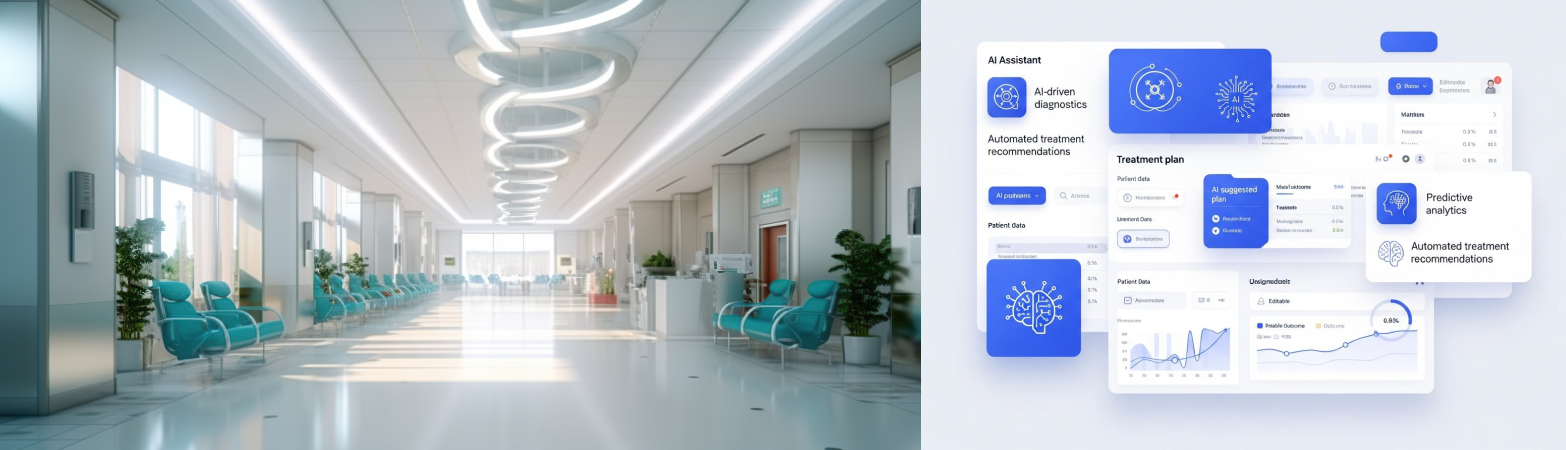
Why Custom EHR & EMR Software Is the Future of UAE Healthcare
The healthcare industry in the UAE is rapidly adopting digital technologies to improve patient care, operational efficiency, and healthcare communication. Hospitals, clinics, and healthcare providers are moving away from paper-based records and outdated systems towards smarter digital healthcare solutions.
Among these technologies, Electronic Health Record (EHR) and Electronic Medical Record (EMR) software have become essential for managing patient information efficiently. While standard healthcare software may offer basic features, many healthcare providers in the UAE are now choosing custom EHR and EMR solutions that are designed specifically for their operational needs.
Custom healthcare software helps organisations improve workflows, enhance patient experiences, strengthen data security, and support future healthcare growth. In this blog, we will explore why custom EHR and EMR software is becoming the future of UAE healthcare systems.
Understanding EHR and EMR Software in Modern Healthcare
EHR and EMR systems are digital platforms used to store and manage patient health information. These systems help healthcare providers maintain accurate medical records, treatment histories, prescriptions, laboratory reports, and appointment details in one secure location.
EMR software is generally used within a single healthcare organisation, allowing doctors and medical staff to access patient records quickly. EHR systems, on the other hand, are designed to share information across multiple healthcare providers and departments. This improves communication and supports more coordinated patient care.
Modern healthcare systems depend heavily on accurate and accessible patient data. EHR and EMR software help reduce paperwork, minimise manual errors, and improve overall healthcare efficiency. As healthcare demands continue to grow in the UAE, digital record management is becoming increasingly important for healthcare providers.
Why UAE Healthcare Is Moving Towards Digital Transformation
The UAE healthcare sector is investing heavily in digital transformation to improve healthcare quality and support advanced medical services. Hospitals and clinics are adopting technologies such as Artificial Intelligence, telemedicine, cloud computing, and digital health platforms to improve patient care and operational performance.
Digital healthcare systems help healthcare providers manage information more efficiently and respond faster to patient needs. Traditional paper-based processes can slow down communication and create difficulties in maintaining accurate records. Digital solutions help healthcare organisations improve accessibility, reduce delays, and streamline workflows.
Government initiatives and smart healthcare projects in the UAE are also encouraging healthcare providers to adopt advanced digital technologies. As a result, custom EHR and EMR software solutions are becoming more important for supporting long-term healthcare development and improving healthcare infrastructure across the country.
Benefits of Custom EHR & EMR Solutions for Hospitals and Clinics
Every healthcare organisation operates differently, which is why many hospitals and clinics prefer custom EHR and EMR software over standard solutions. Custom software is designed to match specific operational requirements, workflows, and healthcare processes.
One major benefit of custom systems is flexibility. Healthcare providers can include features that support their daily operations, such as appointment scheduling, patient portals, billing management, telemedicine integration, and laboratory data management.
Custom software also improves workflow efficiency by reducing unnecessary features and focusing only on the tools healthcare teams actually need. This makes the system easier to use and helps medical staff complete tasks more efficiently.
Another advantage is scalability. As healthcare organisations grow, custom EHR and EMR systems can be updated and expanded to support additional users, departments, and technologies without major disruptions.
How Custom Healthcare Software Improves Patient Data Management
Managing patient data accurately is one of the most important responsibilities in healthcare. Incomplete or outdated records can affect diagnosis, treatment decisions, and patient safety. Custom EHR and EMR systems help healthcare providers organise and manage patient information more effectively.
These systems allow healthcare professionals to access updated patient records in real time from secure digital platforms. Doctors, nurses, and specialists can review medical histories, prescriptions, test results, and treatment plans quickly and accurately.
Custom healthcare software also improves communication between departments by allowing information to be shared securely across connected systems. This reduces duplicate records, minimises manual data entry errors, and improves overall data consistency.
Better patient data management helps healthcare providers make faster and more informed decisions while improving the overall patient experience.
The Role of EHR & EMR Systems in Better Patient Care
Patient care improves significantly when healthcare providers have access to accurate and organised information. EHR and EMR systems help medical teams deliver more efficient and personalised healthcare services by providing real-time access to patient data.
Healthcare professionals can track patient progress, monitor treatment plans, and respond more quickly to medical concerns. Integrated systems also help improve coordination between doctors, laboratories, pharmacies, and specialists, creating a more connected healthcare experience.
Digital healthcare records also support remote healthcare services such as telemedicine and online consultations. Patients can receive healthcare support more conveniently while healthcare providers maintain accurate records across different platforms.
As healthcare continues evolving in the UAE, EHR and EMR systems will remain important tools for improving patient safety, communication, and overall healthcare quality.
How Custom Software Helps Healthcare Providers Work More Efficiently
Healthcare providers handle large amounts of patient information every day, including medical records, prescriptions, diagnostic reports, and appointment schedules. Managing this information manually or through outdated systems can slow down operations and increase administrative workload.
Custom EHR and EMR software helps healthcare providers improve efficiency by automating many routine tasks. Features such as digital record management, automated appointment scheduling, electronic prescriptions, and real-time patient updates help reduce paperwork and save time for medical staff.
Custom systems can also be designed to match the specific workflows of hospitals and clinics. This makes it easier for doctors, nurses, and administrative teams to access information quickly and complete tasks more efficiently.
By improving workflow management and reducing manual processes, custom healthcare software allows healthcare professionals to focus more on patient care and less on administrative work.
Improving Data Security and Compliance With Custom EHR & EMR Systems
Healthcare data contains highly sensitive patient information, making security and privacy extremely important. UAE healthcare organisations must follow strict healthcare regulations and data protection standards to ensure patient information remains secure.
Custom EHR and EMR systems provide advanced security features that help healthcare providers protect patient data more effectively. These systems can include secure access controls, encrypted data storage, user authentication, and automated monitoring tools to reduce the risk of unauthorised access or data breaches.
Custom software also allows healthcare organisations to implement compliance features based on local healthcare regulations and operational requirements. This helps hospitals and clinics maintain secure healthcare environments while improving patient trust.
As cyber threats continue to grow in the healthcare sector, investing in secure and flexible healthcare software has become increasingly important for healthcare providers across the UAE.
Challenges of Using Traditional Healthcare Record Systems
Many healthcare organisations still rely on older record management systems that may not support modern healthcare needs. Traditional systems often create challenges related to data accessibility, communication, system integration, and operational efficiency.
Paper-based records and disconnected digital systems can lead to delayed information sharing, duplicate records, and increased risk of human error. These problems can affect patient care quality and create communication gaps between healthcare departments.
Older systems may also struggle to integrate with newer healthcare technologies such as telemedicine platforms, wearable devices, AI tools, and cloud-based healthcare applications. This limits the ability of healthcare providers to adopt advanced digital healthcare services.
Custom EHR and EMR software helps solve these issues by creating connected and scalable systems that support modern healthcare operations more effectively.
Why Scalable Healthcare Technology Matters for UAE Hospitals
Healthcare systems in the UAE are continuously growing and adapting to increasing patient demands, technological advancements, and changing healthcare expectations. Hospitals and clinics need flexible systems that can grow with their operational needs.
Custom EHR and EMR software provides scalability, allowing healthcare organisations to add new features, integrate additional technologies, and manage larger amounts of healthcare data over time. This flexibility helps healthcare providers adapt to future industry changes without completely replacing their existing systems.
Scalable healthcare technology also supports better coordination between departments, multiple healthcare facilities, and remote healthcare services. This improves operational efficiency and helps healthcare providers deliver more connected patient care experiences.
As digital healthcare continues evolving, scalable healthcare systems will become increasingly important for long-term healthcare growth and innovation in the UAE.
Future Trends in EHR & EMR Software Development in the UAE
The future of healthcare technology in the UAE will continue focusing on automation, connectivity, and patient-centred care. Custom EHR and EMR software will play a major role in supporting these advancements.
Technologies such as Artificial Intelligence, cloud computing, telemedicine, and predictive analytics are becoming more common in healthcare systems. Custom software allows healthcare organisations to integrate these technologies more effectively into their existing operations.
Future EHR and EMR systems are also expected to improve interoperability, allowing hospitals, clinics, laboratories, and pharmacies to exchange patient information more securely and efficiently. This can support faster diagnoses, better treatment planning, and improved patient outcomes.
As healthcare providers continue investing in digital transformation, custom healthcare software will remain an essential part of building future-ready healthcare systems in the UAE.
Conclusion
Custom EHR and EMR software is becoming an important part of the future of UAE healthcare. These systems help healthcare providers improve patient data management, streamline workflows, strengthen communication, and deliver better healthcare experiences through connected digital platforms.
As the UAE continues investing in digital healthcare transformation, custom healthcare software solutions will play a major role in supporting modern hospitals, clinics, and healthcare organisations. Flexible and scalable EHR and EMR systems can help healthcare providers adapt to changing healthcare demands while maintaining efficiency and data security. Businesses looking to build advanced healthcare technology solutions can explore professional healthcare software development services at smartData