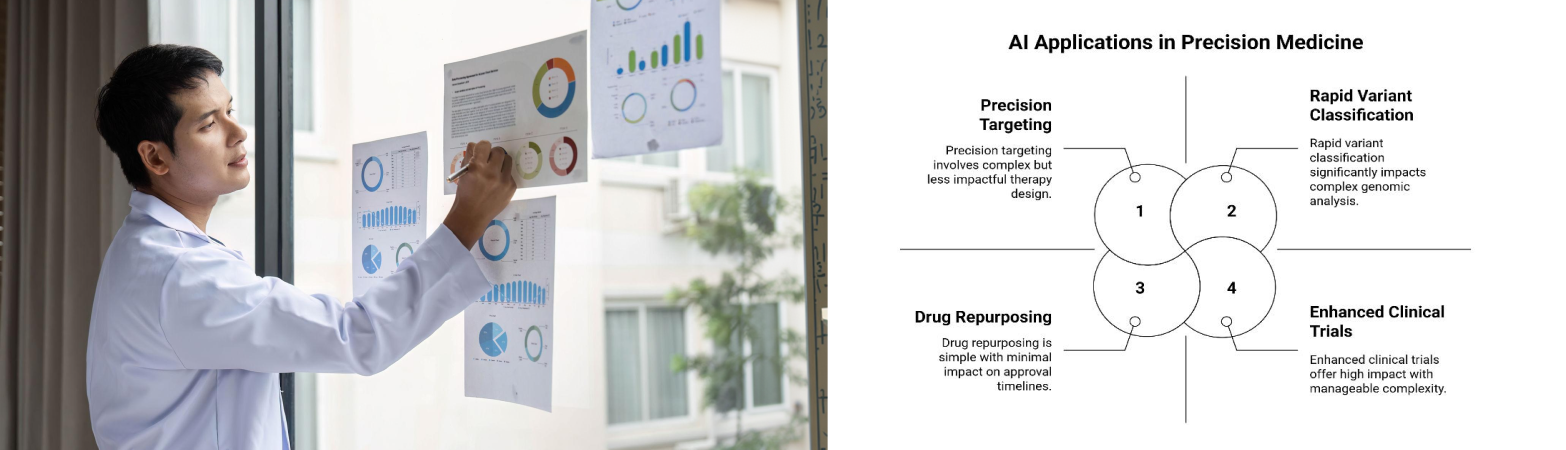
How Structured Clinical Data Improves Medical Research in UAE
The healthcare industry in the UAE is rapidly moving towards digital transformation. Hospitals, clinics, research centres, and healthcare providers are increasingly using structured clinical data to improve patient care, support medical research, and make healthcare systems more efficient. Organised and standardised clinical information helps researchers analyse health trends, identify treatment outcomes, and make faster evidence-based decisions.
As the UAE continues investing in smart healthcare technologies, structured clinical data is becoming an important part of modern medical research and innovation. Healthcare organisations are adopting digital solutions that improve data accuracy, accessibility, and compliance with healthcare regulations.
Understanding Structured Clinical Data
Structured clinical data refers to healthcare information that is organised into standardised formats. This includes patient records, laboratory results, diagnoses, prescriptions, treatment history, and clinical notes stored in a consistent digital structure. Unlike unstructured data, organised clinical data can easily be searched, analysed, and shared across healthcare systems.
This structured approach allows healthcare professionals and researchers to access reliable information quickly and improve decision-making across different stages of patient care and medical studies.
Faster and More Accurate Medical Research
Medical research depends heavily on accurate data collection and analysis. Structured clinical data helps researchers identify disease patterns, monitor patient outcomes, and evaluate treatment effectiveness more efficiently. Researchers can compare large datasets without spending excessive time sorting through paper records or inconsistent files.
In the UAE, healthcare providers are increasingly using digital healthcare systems that support clinical analytics and data-driven research. This improves research speed and helps medical institutions develop better healthcare strategies for patients.
Improving Patient Care and Treatment Outcomes
When healthcare data is properly organised, doctors and medical teams can make informed treatment decisions faster. Structured data supports real-time access to patient information, reducing the chances of medical errors and duplicated records.
Healthcare platforms with integrated clinical systems also improve communication between hospitals, laboratories, insurers, and healthcare professionals. This creates a more connected healthcare environment that benefits both patients and researchers.
Supporting AI and Predictive Healthcare Technologies
Artificial intelligence and predictive analytics rely on high-quality structured data to deliver accurate insights. Organised clinical information allows AI systems to identify health risks, support diagnostics, and assist healthcare professionals with data-driven recommendations.
Healthcare technology companies in the UAE are building platforms that use AI, machine learning, and healthcare analytics to improve research capabilities and operational efficiency. Structured data plays a key role in enabling these advanced healthcare solutions.
Enhancing Healthcare Compliance and Data Security
Healthcare organisations in the UAE must follow strict regulations related to patient privacy and data security. Structured clinical data helps maintain proper documentation, audit trails, and secure access controls across healthcare systems.
Digital healthcare platforms designed with compliance standards improve transparency and ensure patient information remains protected while still being accessible for authorised medical research purposes.
Enhancing Patient Care Through Better Insights
Structured clinical data does not only benefit researchers. It also improves patient care by helping healthcare professionals access complete and accurate medical histories in real time.
Doctors can make more informed treatment decisions when patient information is organised properly. This helps reduce medical errors, improves diagnosis accuracy, and supports personalised treatment plans.
Integrated EHR systems also improve communication between healthcare departments and providers, creating a smoother healthcare experience for patients.
The Role of AI and Analytics in Medical Research
Artificial intelligence and healthcare analytics are becoming more effective because of structured clinical data. AI systems require organised datasets to identify patterns, generate predictions, and support clinical decision-making.
In the UAE, healthcare organisations are increasingly adopting AI-driven healthcare tools for diagnosis support, predictive analytics, patient monitoring, and operational management. Structured data acts as the foundation that enables these technologies to work effectively.
Research also suggests that combining structured and unstructured healthcare information can improve machine learning performance and clinical predictions.
Data Security and Compliance in UAE Healthcare
As healthcare systems become more digital, protecting patient data is becoming increasingly important. Structured clinical systems often include advanced security measures such as encrypted storage, access control, audit tracking, and compliance monitoring.
Healthcare organisations in the UAE are focusing on secure data management solutions that support compliance with healthcare regulations and data privacy standards. Modern healthcare platforms are designed to improve accessibility while maintaining patient confidentiality and system security.
How smartData Supports Healthcare Innovation in UAE
Healthcare organisations across the UAE are adopting modern healthcare technologies to improve clinical workflows, patient management, and medical research capabilities.
smartData UAE provides healthcare and life sciences solutions designed to support hospitals, clinics, healthcare startups, and medical organisations with digital transformation initiatives. Their services include EHR development, healthcare analytics, telehealth systems, AI-powered healthcare tools, billing automation, and healthcare compliance solutions.
By helping healthcare providers organise and manage structured clinical data effectively, digital healthcare platforms can support better research, improved patient care, and more efficient healthcare operations.
Conclusion
Structured clinical data is transforming the future of medical research in the UAE. By improving data accuracy, supporting faster research, enabling AI-driven healthcare solutions, and strengthening patient care, structured healthcare information is helping healthcare organisations deliver better outcomes across the region.
As digital healthcare adoption continues to grow, organisations need reliable technology solutions that support secure, scalable, and compliant healthcare systems. Companies like smartData help healthcare providers build advanced healthcare platforms, clinical systems, and data-driven solutions that support innovation and medical research in the UAE.