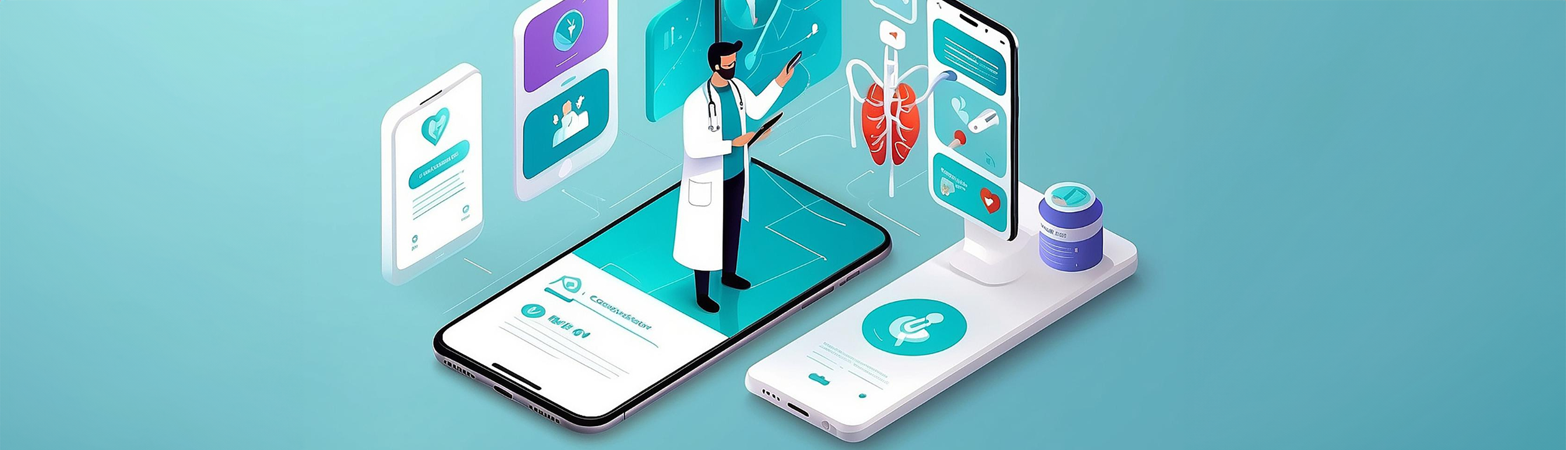
Why mHealth App Development Is Booming in UAE Healthcare Sector
Understanding the mHealth App Phenomenon in the UAE
Mobile health, or mHealth, refers to healthcare services delivered through mobile devices such as smartphones and tablets. In the UAE, mHealth apps have become an important part of how people access health information, connect with providers and manage their wellbeing. The rapid growth of this sector reflects a broader shift towards digital health solutions that prioritise convenience, real-time monitoring and greater patient involvement in care. High smartphone usage and strong internet connectivity have created a fertile environment for these innovations to thrive.
High Smartphone Adoption Driving Health App Use
One of the key factors behind the rise of mHealth in the UAE is the widespread use of smartphones. With nearly universal smartphone penetration across the population, mobile apps are an accessible way for patients to interact with health services from anywhere. This accessibility means people can check symptoms, book appointments, receive reminders, and even monitor chronic conditions through apps — all from the palm of their hand. The more people rely on mobile devices for everyday tasks, the more natural it becomes to use them for health-related needs.
Government Initiatives Support Digital Healthcare Growth
The UAE government has been a strong supporter of digital transformation in healthcare, including the growth of mHealth apps. National strategies and investments aimed at improving healthcare delivery have encouraged providers to adopt and develop mobile solutions. Public health initiatives, such as integrated digital health platforms, help make services more efficient and patient-centred. This supportive environment encourages both startups and established organisations to innovate with mobile health technologies.
Telehealth and Remote Monitoring Leading the Trend
Telehealth services delivered through mHealth apps — such as video consultations and remote patient monitoring — have seen significant uptake in the UAE. Patients can consult with healthcare professionals without visiting a clinic, which is especially useful for routine check-ups, follow-up care and managing long-term conditions like diabetes or hypertension. These features not only improve convenience but also help reduce pressure on physical facilities and support ongoing care from home.
Personalised Care Through Smart Mobile Tools
mHealth apps are increasingly offering personalised features tailored to individual health needs. Integration with wearable devices and AI-driven insights enables users to track metrics like heart rate, activity levels and sleep patterns in real time. This data can help people better understand their health and adhere to treatment plans recommended by healthcare professionals. Personalised tools also make preventative care more engaging, encouraging healthier lifestyle choices in ways that feel relevant and practical.
Integration With Wearables and AI Enhances Value
A major factor driving the growth of mHealth app development in the UAE is the integration of wearable devices and artificial intelligence. Wearables such as smartwatches and fitness trackers can connect to mobile health apps, collecting real-time health data like heart rate, activity levels and sleep patterns. When this data is combined with AI, apps can offer personalised insights, predictive health advice and tailored alerts that help users manage their wellbeing more proactively. This seamless integration enhances user engagement and makes health monitoring more accessible for a wide range of people.
Meeting the Needs of Chronic Disease Management
Chronic diseases such as diabetes, hypertension and cardiovascular conditions are common in the UAE and often require ongoing monitoring and management. mHealth apps offer tools that help patients track their symptoms, medication schedules and vital signs between clinical visits. By bringing key health functions into a mobile platform, these apps support continuous care and reduce the need for frequent in-person appointments. This convenience is valued by patients and providers alike, contributing to the rapid adoption of mHealth solutions.
Improving Patient Engagement and Access to Care
Mobile health apps make it easier for patients to take an active role in their health. Many UAE residents now expect convenient access to services such as appointment scheduling, teleconsultations and personal health records through their phones. mHealth solutions meet these expectations by offering user-friendly interfaces and features that fit into daily life. This increased engagement helps patients stay informed about their health, adhere to treatment plans and communicate more effectively with healthcare providers. High retention rates and frequent use reflect how well mHealth apps resonate with users across the UAE.
Data Security and Trust as Growth Enablers
As mobile health solutions collect and transmit sensitive health information, data security has become a critical concern. Strong regulatory frameworks in the UAE require developers to implement robust security measures that protect patient data and comply with privacy laws. These security standards are helping to build trust among users, encouraging more people to adopt mHealth apps with confidence. In turn, healthcare providers also feel more comfortable integrating these digital tools into care pathways. The emphasis on security and trust has become a catalyst for broader acceptance of mobile health technologies.
Expanding Opportunities Through Partnerships and Innovation
The rapid rise of mHealth apps in the UAE is also supported by partnerships between public and private organisations. Healthcare providers, technology companies and government agencies are collaborating to create solutions that improve care delivery, enhance data exchange and expand digital health infrastructure. These partnerships drive innovation and help bring advanced features, such as remote patient monitoring, virtual consultations and predictive analytics, into mainstream use. This collaborative ecosystem fuels ongoing growth in mHealth development and ensures that the sector continues to evolve to meet emerging needs.
Conclusion
The rapid growth of mHealth app development in the UAE healthcare sector reflects a combination of high mobile usage, supportive government strategies, expanding telehealth services and personalised digital tools. These factors together are reshaping how people access and manage their health, making care more accessible, efficient and responsive to individual needs. For more insights on mHealth app development and digital healthcare strategies, visit https://smartdatainc.ae/.