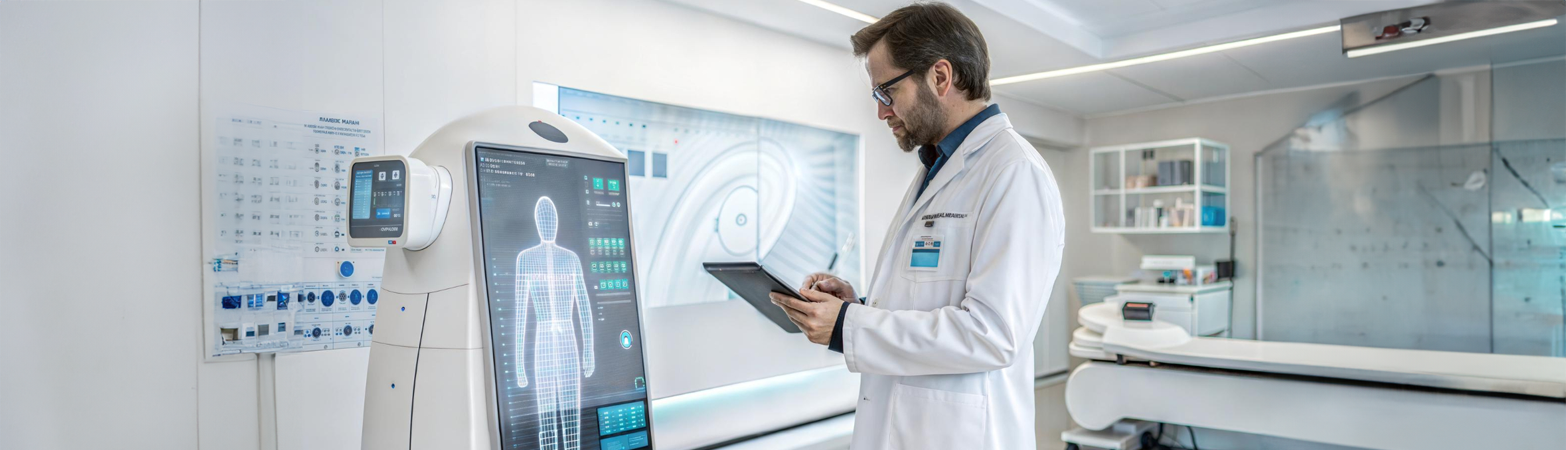
Why UAE Hospitals Are Adopting AI-Based Healthcare Solutions
How AI Is Transforming Healthcare in the UAE
Artificial intelligence (AI) is reshaping the way healthcare is delivered across the UAE. Hospitals and health authorities are increasingly integrating AI tools into their systems to improve efficiency and quality of care. This shift aligns with the UAE’s broader national strategy to use technology for better health outcomes and a more future-ready healthcare system. AI supports processing large amounts of medical data quickly, enabling doctors to make better-informed decisions and improve patient care overall.
Improving Patient Diagnosis with Artificial Intelligence
One of the most compelling reasons UAE hospitals are adopting AI is the remarkable boost it brings to diagnosis. AI-powered imaging systems can analyse X-rays, MRIs, and CT scans faster and more accurately than traditional methods. These tools help detect illnesses such as cancer, heart disease, and other conditions at earlier stages, often before symptoms become serious. Earlier and more precise diagnoses can lead to quicker treatment and better patient outcomes.
AI-Powered Tools for Faster Treatment Decisions
AI technologies do not just identify issues — they also support clinical decision-making. By analysing complex health data, AI can predict how a patient might respond to specific treatments and suggest personalised care plans. This capability helps doctors tailor treatments to individual patients, reducing the reliance on trial-and-error approaches and improving the effectiveness of care.
Reducing Medical Errors Through Intelligent Systems
Hospitals in the UAE are adopting AI to enhance patient safety by reducing human error. Intelligent systems analyse vast datasets and flag issues that might be overlooked by even experienced healthcare professionals. For example, AI can cross-check electronic health records to highlight inconsistencies or potential risks. By supporting clinicians with these insights, AI contributes to safer care delivery and fewer unintended mistakes.
Enhancing Patient Experience with Digital Solutions
AI-enabled digital tools such as virtual assistants and smart scheduling systems help make healthcare more convenient for patients. Chatbots can answer basic health questions, book appointments, and guide patients through post-treatment instructions. These solutions reduce waiting times and administrative burden, allowing medical staff to focus more on direct patient care. Such digital support improves both access to services and overall patient satisfaction.
Streamlining Hospital Operations Using AI Technology
AI is helping UAE hospitals improve internal processes and administrative workloads. Intelligent systems can automate scheduling, manage medical records, and optimise resource allocation. This reduces time spent by staff on routine tasks and allows them to focus more on patient care rather than paperwork. By enhancing operational efficiency, AI supports smoother workflows and better overall service delivery in busy hospital environments.
Predictive Analytics for Better Health Outcomes
Predictive analytics is one of the most important reasons hospitals in the UAE are integrating AI systems. These tools analyse large volumes of patient data and trends to identify risks before they develop into serious health issues. For example, AI can flag patterns that indicate risk for conditions such as diabetes or heart disease, allowing clinicians to deliver preventative care earlier. This proactive approach leads to improved health outcomes and reduced hospital admissions.
Role of AI in Managing Healthcare Data Securely
As hospitals collect increasing volumes of medical information, secure and efficient data management becomes essential. AI assists in organising, analysing, and protecting sensitive patient records. Advanced systems can integrate with electronic health records (EHRs), ensuring that data is up to date and accessible to authorised clinicians while maintaining strong privacy safeguards. This not only enhances patient care but also ensures compliance with data protection standards in the UAE.
Supporting Doctors and Nurses with Smart Assistance
AI-based solutions are designed to support, not replace, healthcare professionals. Tools such as AI-assisted diagnostic systems, virtual health assistants, and clinical decision support platforms provide clinicians with timely insights and recommendations. These systems can speed up diagnosis, reduce human error, and offer relevant information during treatment planning. As a result, doctors and nurses can make faster, more informed decisions that benefit patients directly.
Challenges and Future of AI in UAE Healthcare
While the benefits of AI adoption in UAE hospitals are significant, several challenges remain. Issues such as data privacy, regulatory frameworks, and the need for skilled professionals must be addressed to fully realise AI’s potential. Strong legal and ethical frameworks are being developed to ensure that AI technologies are deployed safely and responsibly. Looking ahead, continued innovation, training and collaboration will shape the future of AI-based healthcare, helping hospitals deliver more accurate, personalised and efficient care.
Conclusion
AI-based healthcare solutions are helping UAE hospitals deliver faster, more accurate, and more personalised care. From improved diagnosis and tailored treatment decisions to safer clinical environments and better patient experiences, artificial intelligence is becoming a cornerstone of healthcare innovation in the region.
As the UAE continues to advance its health ecosystem through intelligent technology, hospitals can offer more responsive, efficient, and patient-centred services. To explore how AI and digital solutions are supporting healthcare transformation, visit https://smartdatainc.ae/.